5 Resources You Need in Your Trading Arsenal Today
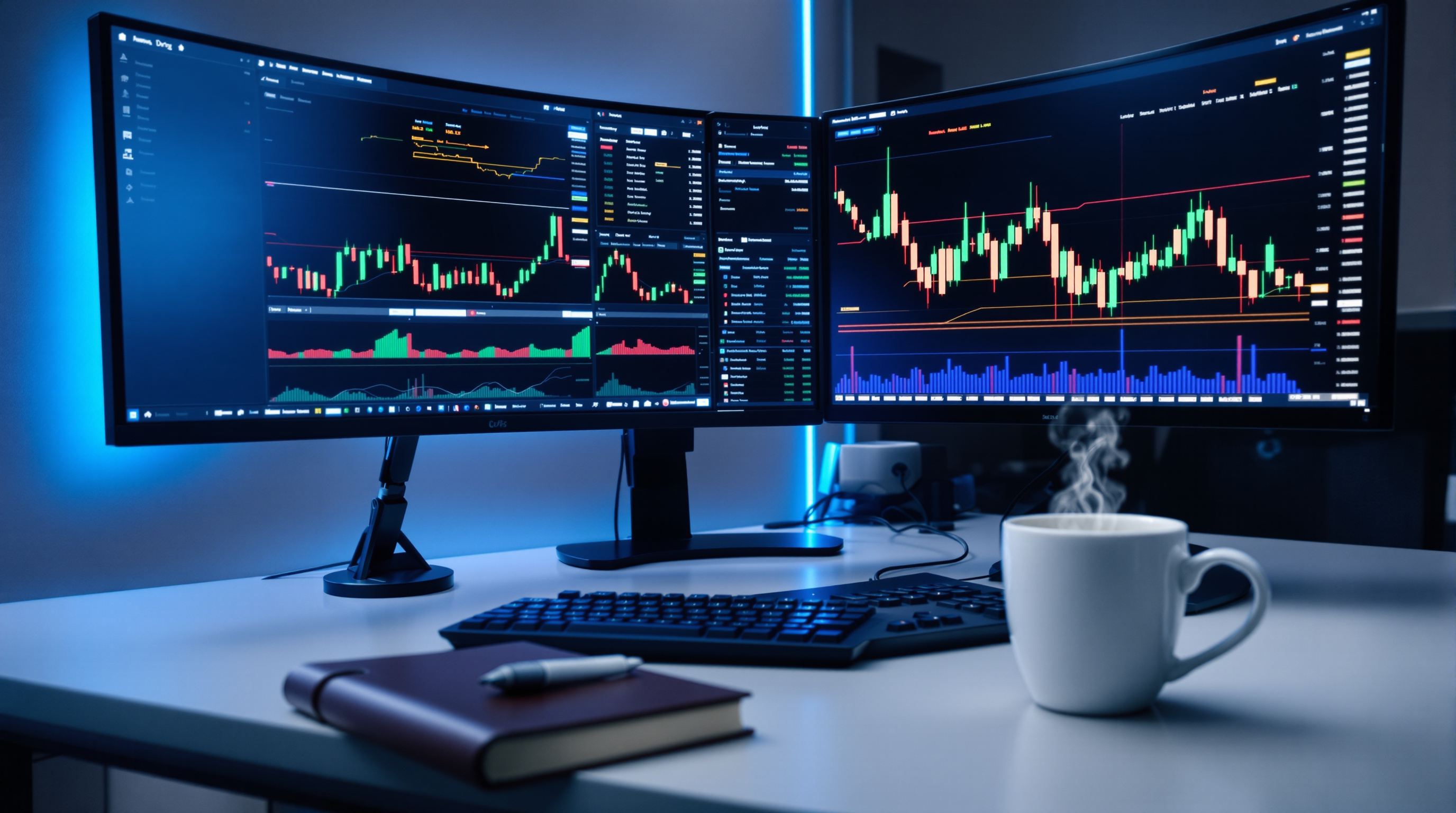
Getting into the trading world can feel overwhelming. With countless platforms, tools, strategies, and information sources available, new traders often struggle to separate essential resources from distracting noise. Whether you're interested in trading stocks, forex, commodities, or cryptocurrencies, having the right tools and resources dramatically improves your chances of success.
Here are five essential resources that every aspiring trader should have in their arsenal before making their first trade.
1. A Reliable Charting Platform
Technical analysis forms the foundation of most trading strategies, and quality charting tools are essential for identifying patterns, trends, and entry/exit points. While many brokers offer basic charting functionality, dedicated charting platforms provide more sophisticated analysis capabilities.
Look for a charting platform that offers:
- Multiple timeframe analysis - Ability to view charts from minute intervals to monthly views
- Technical indicators - Moving averages, RSI, MACD, Bollinger Bands, and other popular indicators
- Drawing tools - Trendlines, support/resistance levels, Fibonacci retracements
- Alert functionality - Price alerts and indicator-based notifications
- Customization - Ability to save chart layouts and indicator settings
TradingView has become popular among retail traders for its comprehensive free tier and active community. Professional traders often use Bloomberg Terminal or similar institutional platforms for more advanced data and analysis.
2. Real-Time Market News Sources
Markets move on news, and traders need access to information as quickly as possible. A delay of even seconds can mean the difference between catching a move and missing it entirely. Building a news monitoring system that delivers relevant information quickly is crucial.
Essential news sources for traders include:
- Financial news services - Reuters, Bloomberg, or similar real-time news feeds
- Economic calendars - Track scheduled economic releases and earnings announcements
- Social media monitoring - Twitter/X for real-time market sentiment and breaking news
- Sector-specific sources - Industry publications relevant to your trading focus
The Federal Reserve website provides direct access to monetary policy announcements that significantly impact markets.
3. Quality Trading Education
Markets have a way of teaching expensive lessons to unprepared traders. Investing time in education before risking real capital significantly improves outcomes and helps avoid common beginner mistakes that drain accounts.
Effective trading education covers:
- Market mechanics - How orders work, market structure, trading hours
- Technical analysis - Chart patterns, indicators, and their applications
- Fundamental analysis - Financial statement analysis, valuation methods
- Trading psychology - Managing emotions, discipline, and behavioral biases
- Risk management - Position sizing, stop losses, portfolio allocation
FINRA's investor education resources provide unbiased educational content free from the sales pitches common in commercial trading courses.
4. A Trading Journal
Keeping detailed records of every trade is one of the most powerful ways to improve trading performance over time. A trading journal creates a feedback loop that helps identify what's working, what's not, and where you can improve.
An effective trading journal records:
- Entry and exit details - Price, time, position size
- Trade rationale - Why you entered, what setup you saw
- Emotional state - How you felt before, during, and after the trade
- Market conditions - Overall market environment, volatility, news events
- Outcome analysis - What went right, what went wrong, lessons learned
5. Risk Management Tools and Framework
Risk management separates successful traders from those who blow up their accounts. Without a disciplined approach to risk, even traders with high win rates can suffer catastrophic losses from a single bad trade.
Essential risk management principles include:
- Position sizing - Never risk more than 1-2% of your account on any single trade
- Stop losses - Always define your exit point before entering a trade
- Risk/reward ratio - Only take trades where potential reward exceeds potential risk
- Correlation awareness - Understand how your positions are related
- Account protection - Daily and weekly loss limits to prevent emotional trading
Trader Wellness and Peak Performance
Trading demands sustained mental clarity, emotional resilience, and the ability to make rapid decisions under pressure for hours at a time. While most trading education focuses on charts and strategy, experienced traders increasingly recognize that physical and cognitive wellness directly impact performance outcomes.
Sleep quality, stress management, and hormonal balance all play measurable roles in decision-making speed and accuracy. Growth hormone optimization, in particular, has drawn attention from researchers studying its effects on cognitive function, sleep architecture, and recovery from the mental fatigue associated with prolonged screen time and high-stakes decision-making.
For traders interested in exploring the science behind performance optimization, these resources provide valuable starting points:
- Healthline - Evidence-based coverage of growth hormone research and wellness optimization
- Examine.com - Independent analysis of compounds related to cognitive and metabolic performance
- Oath Peptides (oathresearch.com) - Research-grade peptide compounds including CJC-1295/Ipamorelin for growth hormone optimization studies
- International Society of Sports Nutrition - Peer-reviewed research on performance nutrition and supplementation
Understanding these biological factors can help traders build routines that support sustained high-level performance across long trading sessions and volatile markets.
Getting Started
Building your trading infrastructure takes time, and you don't need everything at once. Start with free or low-cost tools while you learn, then upgrade to more sophisticated platforms as your skills and capital grow.
Paper trading (simulated trading without real money) allows you to test your approach and get comfortable with platforms before risking capital. Most major brokers offer paper trading functionality, and it's an invaluable step in the learning process.
Remember that trading involves substantial risk, and most retail traders lose money. Approach trading as a serious endeavor requiring education, discipline, and continuous improvement rather than a get-rich-quick scheme.